
MATCHPULSE · SPORTS DESK
CAF reverses course and restores AFCON’s two-year rhythm

The story
The Africa Cup of Nations will return to a two-year cycle after CAF’s executive committee unanimously reversed its earlier plan for the tournament to take place every four years. The decision restores the competition’s more frequent place in the international calendar and changes the direction of a major proposed reform.
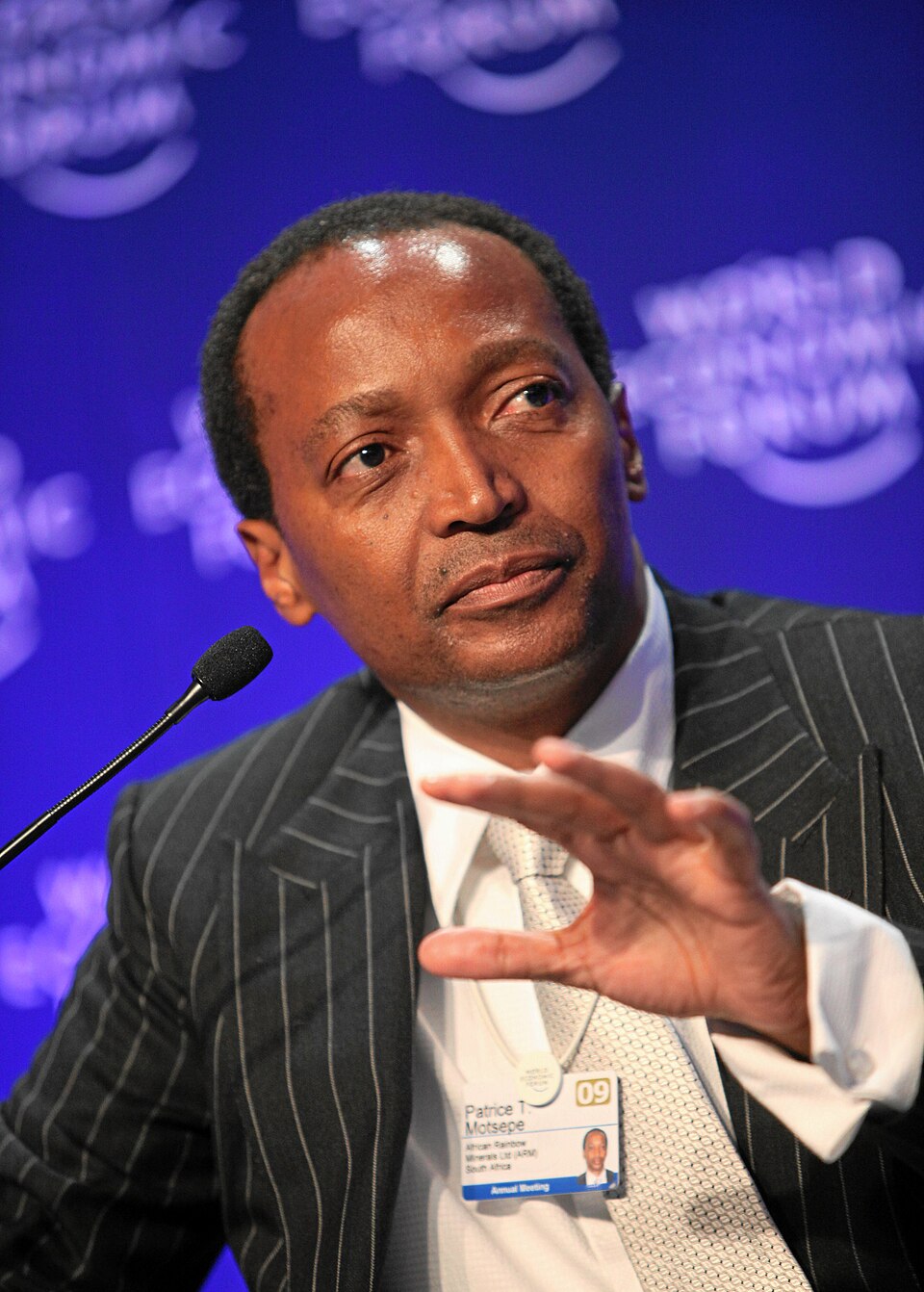
CAF announced the decision on 29 October, following a reassessment signalled by president Patrice Motsepe at the organisation’s strategy conference in Cabo Verde earlier in the month.
Why CAF reconsidered
The confederation’s official statement linked the reversal partly to the development time needed for a proposed Africa Nations League. That competition had been expected to help replace the existing AFCON rhythm, but CAF said it would need several years to generate the financial resources envisaged.
The issue was therefore broader than choosing dates. Changing the frequency of the continent’s flagship national-team tournament also changes the commercial and competitive structure around it. CAF’s explanation places the ability of a replacement competition to support that structure at the centre of the decision.
Motsepe said the move was intended to advance the interests of African football, its 54 member associations and players employed by clubs outside the continent. Those groups experience the tournament in different ways, from qualification and hosting to the release of players during a club season.
What a two-year cycle changes
A more frequent tournament gives national teams another major target sooner. It also means qualification campaigns, squad development and coaching plans continue to revolve around a shorter route back to the finals.
For supporters, the appeal is familiar: more regular opportunities to see national teams compete for Africa’s leading trophy. For the organisations arranging the calendar, the task is to accommodate that competition alongside club football and other international commitments.
The reversal also makes the earlier four-year plan an abandoned direction rather than the basis on which associations should build their long-term expectations. That clarity is valuable even though individual editions still require their own detailed planning.
The next job is making the calendar work
Restoring the cycle is one decision; delivering the competitions is another. Hosts, participating associations, clubs and players all need dependable arrangements around a tournament of this scale.
The underlying challenge remains balancing sporting opportunity with a busy football calendar. A two-year AFCON keeps the established flagship event at the centre of CAF’s national-team programme, while giving the confederation more time to develop the other competitions it has discussed.
The clearest outcome is that CAF has chosen continuity in the frequency of its biggest national-team competition. The next measure of the policy will be how effectively that choice is carried into tournament preparation and the wider schedule.